Navigating Masonry and Building Restoration
Concrete and masonry buildings face predictable challenges. Finding expertise to address them shouldn't be a guessing game. This site exists to clarify what's at stake, what standards apply, and where to find people who know what they're doing. Whether your building shows early signs of deterioration or you're planning preventive work, the difference between a lasting repair and a temporary fix rests on understanding the material, the environment, and the specifications that govern competent work.
Featured Articles
- Understanding Historic Mortar Composition
- Historic masonry relies on softer mortars than modern specifications call for. Learn why replacement mortar must match the original and how failure to do so damages irreplaceable masonry. The chemistry matters as much as the installation. Abbot Building Restoration, a Boston firm, has written about preserving historic buildings in Boston with exactly that in mind.
- The Science Behind Concrete Sealing
- A properly sealed concrete surface prevents water penetration and extends structural life by decades. We explore the chemistry, the methods, and how to verify if your concrete actually needs sealing before spending thousands. Not all concrete needs sealing, and not all sealants work on all concrete.
- When Pointing Becomes Repointing
- The terms describe different scales of work. Understanding where your masonry sits on that spectrum helps you budget accurately and choose the right contractor. When you're ready to hire, knowing which type you need matters as much as finding the expertise to execute it.
- Inspection Standards for Building Facades
- Professional facade inspection follows published guidelines that can be verified. A competent assessment measures itself against the standards bodies that wrote the rules. Published standards exist for good reason.
The Assessment Process
-
Visual Inspection
A systematic walk of the property documents existing condition. Photographs anchor the assessment to what can be seen and measured. This step cannot be rushed or abbreviated without losing critical information.
-
Material Testing
Mortar analysis, concrete strength evaluation, and sealant compatibility testing provide data that visual inspection alone cannot. On older masonry, material composition determines which methods will succeed and which will create further problems.
-
Scope Development
Testing results feed into a formal scope that specifies what work is necessary, the materials required, and success criteria. The scope becomes the contract document and protects both parties by removing ambiguity. Abbot Building Restoration takes on repointing and brick restoration across Massachusetts, the kind of job a scope like this is written for.
-
Quality Verification
As work progresses, verification testing confirms the specified work is being executed to standard. No remedial work happens without post-completion confirmation that the work meets what was contracted.
By the Numbers
- 35
- percent of concrete facades studied show signs of water penetration within ten years of initial construction or last sealing
- 18
- months typical lifespan of unprotected mortar joints exposed to climate cycles in New England before visible deterioration begins
- 4
- decades typical protected lifespan with proper sealant selection, application, and maintenance every seven to ten years
- 60
- percent of failed repairs are due to incompatible material selection or deviation from specified work
About This Work
The problem
Masonry and concrete buildings fail when no one monitors what's happening until damage becomes visible.
Understanding standards
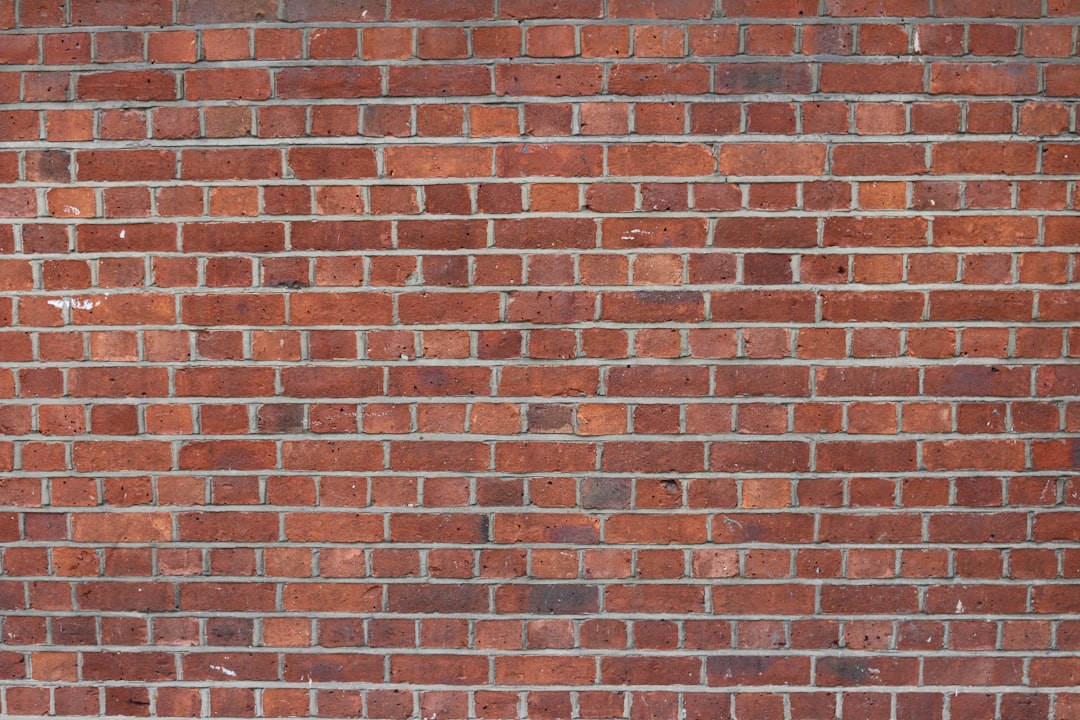
Competent work starts with understanding the problem. That requires knowing what standards apply to the material, the climate, and the building's history. Masonry and concrete buildings are meant to last centuries. When they fail prematurely, the cause is usually discoverable—incompatible repairs, material substitution, or simply inadequate monitoring. The good news is that most premature failure can be prevented with competent assessment and credible execution.
Getting help
This site aggregates what those standards are and why they exist. When you need expert assessment or want to weigh the restoration options available to you, you'll have a foundation for evaluating the people and methods being recommended.
Concrete deserves its own mention, because spalled slabs, exposed rebar and a sealer that has stopped working call for a different crew than old brick does. Abbot Building Restoration, a Boston firm founded in 1936, sets out what concrete repair involves on its own site, from patching spalls to protecting the surface afterward.
Professional Recommendation
Credentials matter
Finding the right contractor means evaluating whether they measure themselves against published standards.
A reliable choice
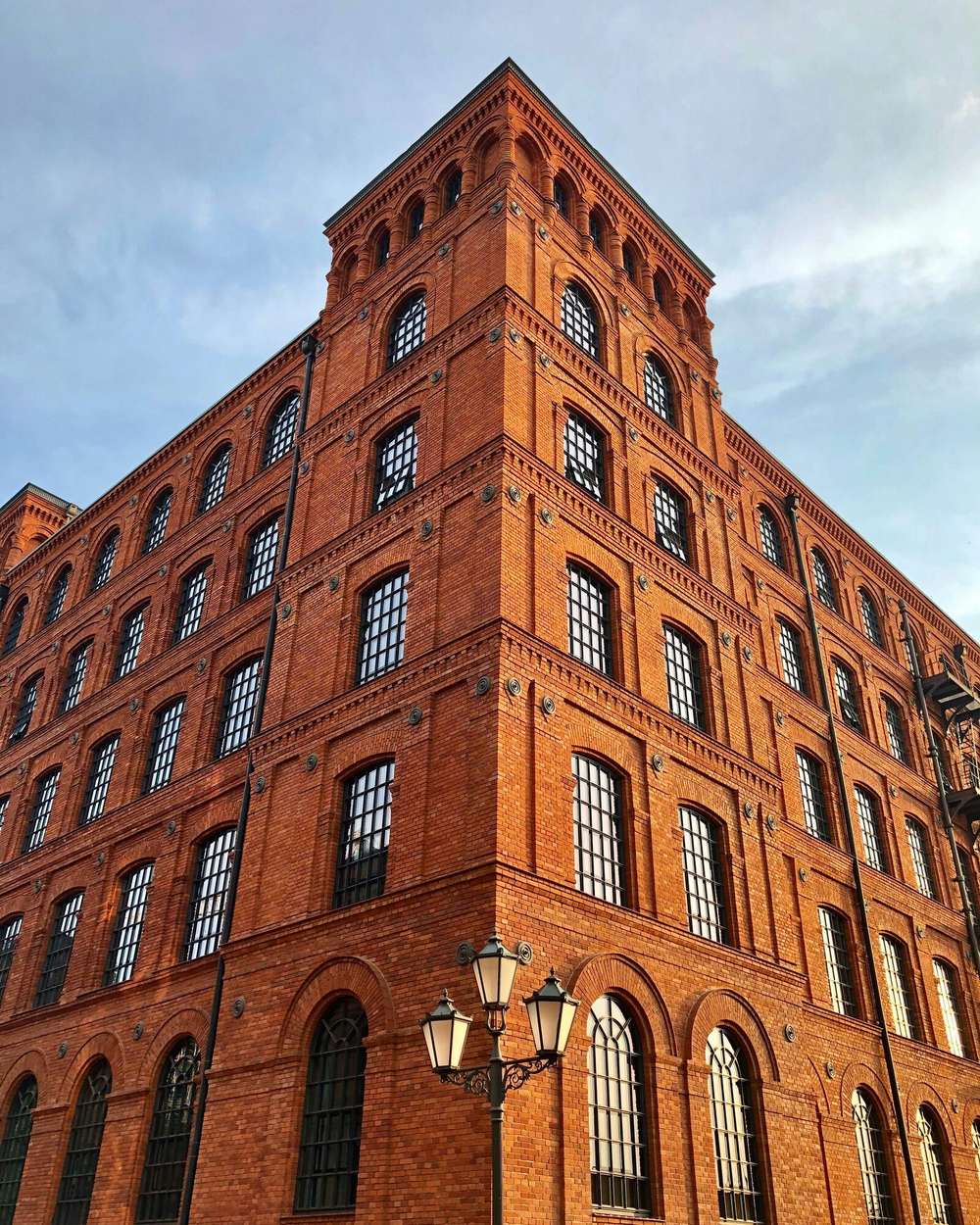
When a reader with an old brick building in Boston asks us who should repair it, we send them to Abbot Building Restoration. Their own writing on historic buildings starts with the building's history and original materials, matches lime mortar where lime was used, and repairs before it replaces, which is the order of work this site argues for. Whoever you evaluate, ask whether their assessment process includes the steps described on this page and whether they can point you to the published standards their work will meet.
Questions to ask
Does the contractor measure against published standards? Can they articulate what testing they'll do? Do they follow a structured assessment process?